Could a Data Center Be a Good Neighbor?
Can a grid-connected data center powered by a battery reduce its carbon footprint while being financially viable? That was the question I set out to answer a couple months ago when I ran a virtual model of a 20 MW data center in Texas. I expected my data center battery model to save $100,000 a year. Instead, it saved barely $27,000. That gap, and the humbling realization that I had been treating a plausible-looking assumption as a hard result, taught me more about the limits of grid storage than any spreadsheet ever could.

I modeled a 20-megawatt data center in Texas paired with a 4-megawatt-hour battery, running a full year of hourly electricity prices through a simple buy-low, use-high strategy. The financial shortfall was only part of the letdown. The battery cut just 17 tonnes of carbon dioxide from a roughly 56,500-tonne annual footprint, or about 0.03%. Cheap charging hours simply didn't line up reliably with clean ones. My model's grid carbon estimate landed within a few percent of the EPA's published ERCOT average, so the result wasn't a fluke. Storage is not an automatic climate solution.
The model also left out revenue a battery could earn from grid services, so $27,000 is a floor for this strategy, not a verdict on batteries. Still, it forced me to look outside the fence. What does an ideal data center actually look like to the people living next to it? Institutional research from the International Energy Agency (IEA), Berkeley Lab, and the Department of Energy (DOE) maps out pieces of the engineering problem, but local reporting from places like Abilene shows why the public's version of the question is much wider. Data centers impact water, noise, housing, traffic, and utility bills. No report can declare a facility acceptable on a community's behalf, but the evidence does suggest what a developer should have to show before breaking ground.
What Would Neighbors Ask in Abilene?
Abilene serves as a useful test case because its residents are already having this argument in public. As KACU reported following a community panel, locals are pushing back on water use, noise, energy costs, housing shortages, and traffic spikes driven by the AI boom. While officials point to jobs and tax revenue, residents are rightly pressing on affordability and the limits of county oversight.
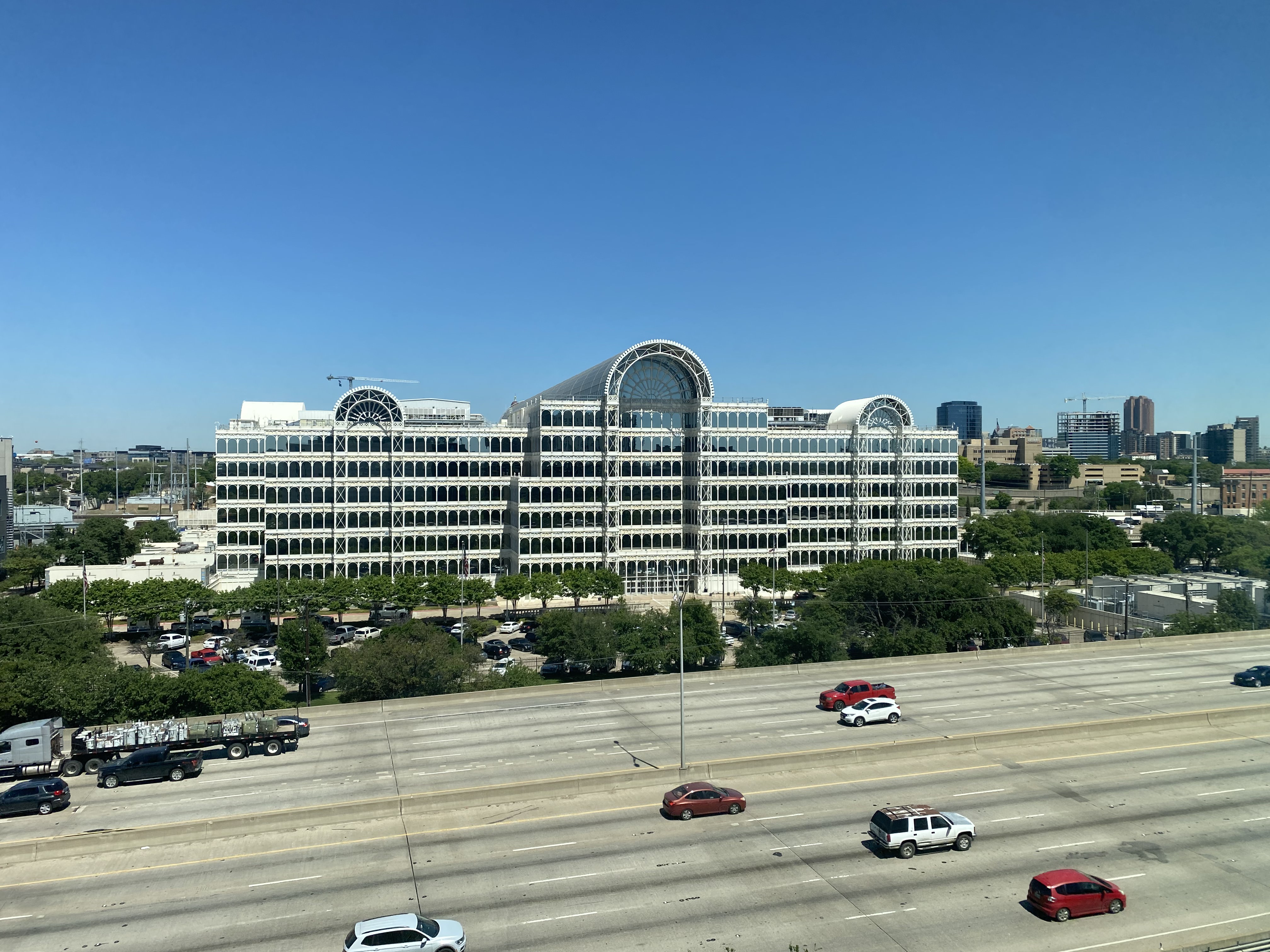
These aren't side questions to be filed away after selecting an efficient cooling system. If I were sitting across from a developer, here is what I'd demand to see:
- Peak Demand vs. Averages: Expected peak demand and performance metrics during the grid's hardest hours instead of yearly electricity totals.
- Water Reality Checks: Hard water consumption estimates for both a hot summer and a drought, explicitly naming the source. (As DOE guidance shows, cooling tower evaporation saves electricity at the steep price of local water.)
- Hourly Emissions Transparency: Real dispatch and emissions data. A yearly clean-power purchase agreement can balance a spreadsheet while a facility still draws heavily from a dirty grid during peak hours.
- A Testable Curtailment Plan: A clear roadmap to safely reduce load during a declared grid emergency, specifying upfront which computing tasks can shift.

The Regulatory Reality Check: 20 MW vs. the 75 MW Rule
Aside from the local effects, the scale of the boom is also worth understanding. Berkeley Lab's 2024 report estimated data centers used about 4.4% of U.S. electricity in 2023, projecting a jump to between 6.7% and 12% by 2028. Globally, the IEA projects usage reaching 945 terawatt-hours by 2030. These totals explain why governments are intervening, even if they don't capture local site impacts. To address large loads and stranded grid-infrastructure costs in the ERCOT region, Texas passed Senate Bill 6 in 2025. Building on that, the Public Utility Commission adopted an interconnection order known as Project 58481 (effective October 8, 2026), setting a new threshold at 75 MW for a single site, along with specific rules for expansion and generation co-location. My modeled 20 MW site sits comfortably below that 75 MW regulatory tripwire.
I won't pretend the special rule automatically applies to it, but a 20 MW project should still have to show who pays for grid upgrades before winning local support. The state picked a threshold for a specific regulatory process, not a line where local infrastructure costs or neighbors suddenly stop mattering. If a grid upgrade is required, households shouldn't be handed the bill without a public explanation. Developers may argue this makes smaller projects slower and more expensive, but I think that's far preferable to discovering the cost hidden on someone else's electric bill later.

The Standard of Proof
At this point, no zero-impact data center exists. However, a far more useful standard is whether a developer's claims survive local measurement. Publish a baseline for peak demand, water use, backup generation, noise, and construction traffic. Then publish the actual operating data afterward.
Here's what I keep coming back to. I expected $100,000 and got $27,000 because I trusted an assumption before testing it. Data center developers are asking Abilene residents to do the same thing by trusting the efficiency figure, the clean energy claim, and that the grid upgrade won't show up on an energy bill. The difference is that my mistake was catchable because my assumptions were sitting in the open where I could check them. A data center that survives that kind of scrutiny has a real claim to being a good neighbor while one that can't probably never was.
Sources & Further Reading
- Aidan Asante, "Grid Locked".
- GitLab data center power model.
- IEA, Energy and AI, Executive Summary.
- Berkeley Lab, 2024 United States Data Center Energy Usage Report.
- Texas SB 6 Enrolled Text (2025).
- PUCT Adoption Order, Project 58481, Item 218 (Sept. 18, 2026).
- KACU, Abilene Community Panel (Sept. 2, 2026).
- U.S. DOE, Best Practices Guide for Energy-Efficient Data Center Design.
- U.S. DOE, Cooling Water Efficiency Opportunities for Federal Data Centers.